
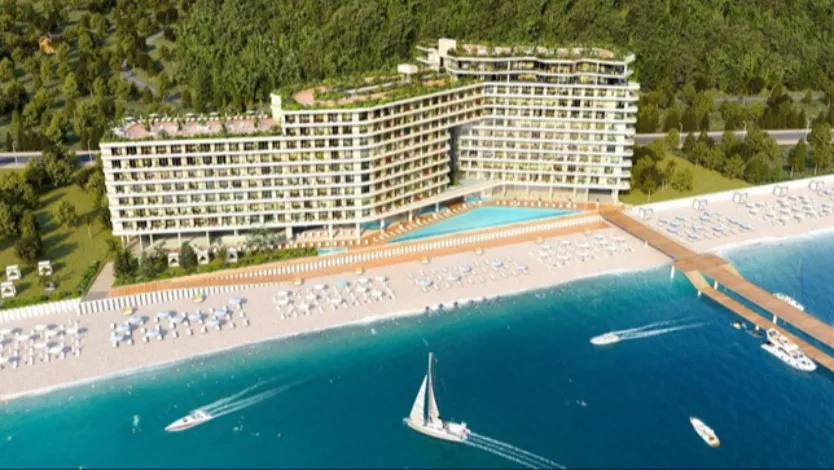

The real estate market is gradually shifting from traditional ownership models to digital management formats. Tokenization technologies offer new opportunities for organizing the accounting, interaction, and control of assets.
The Stability platform creates a digital model for real estate management using tokenization technologies. The ecosystem integrates legally registered assets, internal transaction records, and digital control tools. Tokens are digital usage rights and are not ownership shares.
Participants interact with real estate assets through a digital accounting system without the need for independent management.
Property selection, rental initiation, transaction accounting, and reporting are all recorded in the internal system and are accessible in your personal account.
How the real estate management model works in the Stability ecosystem
To understand how this model is implemented in practice, let's look at its structure. Within the ecosystemreal estateis considered as a managed asset used in a rental model within the ecosystem.

The main focus is on:
● transparent management structure;
● legal registration;
● digital accounting of transactions;
● accrual model recorded in the platform’s internal accounting.
All processes are recorded in an internal registry (off-chain) and displayed in users' personal accounts.
User rights are secured by agreements: a convertible loan agreement, a token sale and purchase agreement, and a public offer. KYC/AML procedures are applied. All accruals and balances are recorded in internal accounting and are legally binding when linked to existing documents.
What problems does the model solve?
In practice, such a management structure covers a number of applied tasks.
The ecosystem allows you to organize work with real estate in the following areas:
- Analytical selection of objects taking into account the chosen strategy.
- Formation of an operating model taking into account costs and market parameters.
- Organization of professional facility management.
- Legal verification of documentation.
- Digital accounting of transactions and accruals.
- Possibility of portfolio scaling within the platform.
The format of interaction depends on the chosen participation model.
Object formats
The choice of a specific model is directly related to the type of object being used.
Team Stability works with different types of objects:
● apartments used in the rental model;
● serviced apartments for short-term accommodation;
● objects with a combined operating format (a combination of different usage scenarios depending on the management strategy).
Each format is selected taking into account the initial goals of the ecosystem participant and the parameters of its future participation.
How an economic model is formed
After selecting the object and the format of its use, an operational model is formed.
The ecosystem takes into account the following list of important factors:
● occupancy of the object;
● rental rate level;
● operating costs;
● taxes;
● maintenance and management.
All calculations are generated before the facility is launched and reflected in the calculation model. This allows for a clear understanding of the structure of future operations, including receipts and expenses within the system, before the facility is launched.
Stages of work on the service
The model's implementation proceeds in stages. Work according to the model is structured around a specific number of steps:
- Analyzing the client's goals and parameters. At this stage, the budget and level of engagement are determined to create the right strategy.
- Property selection and preliminary screening. Based on the chosen rental model, suitable properties are selected.
- Formulation of a management model. An operating model is being developed based on actual costs, downtime, and the current market value of the asset.
- Legal review of documents and execution. All contracts, ownership structure, and all other related obligations are analyzed.
- Preparing the property for leasing. Organizing furnishings and, if necessary, repairs and advertising.
- Launch of management and reporting. The property is transferred to professional management, and the participant receives regular reports.
The proposed approach allows us to structure the process consistently and transparently.
Facility management
Once the facility is up and running, operational management becomes key. This management can be performed independently or through a management company. The optimal management option depends on the desired level of stakeholder involvement.

Management includes monitoring of occupancy, facility condition, timeliness of payments, and operational processes.
Reporting is generated regularly and is available to the user in digital format:
● information on receipts;
● information on expenses;
● information on employment and the actual operating model.
The primary management focus is not only on occupancy of the property, but also on maintaining and supporting the accrual structure over the long term. This approach ensures transparency and understanding of the actual results.
Risks and approaches to their mitigation
Despite the structured model, it is important to take into account possible deviations. Working withreal estateis associated with market and operational risks. Our team's primary goal is to minimize such risks and calculate them in advance to avoid any negative impact on operational performance.
Common risks:
● simple and seasonal;
● inflated purchase price;
● wear and tear and unscheduled repairs;
● weak location;
● errors made in calculations.
Risk compensation is directly linked to core principles: preliminary analysis, reserve formation, legal due diligence, systems management, and transparent digital accounting.
The difference between a digital model and a traditional home purchase
For a better understanding, let's consider the differences from the traditional approach. The digital model is considered an important tool, not just a residential object.
The difference becomes apparent already at the stage of the goal and approach to choice:

Who is this service suitable for?
This format of interaction is not suitable for everyone. This service will be particularly relevant for the following categories of participants:
● who considers real estate as a managed asset in a digital system;
● who does not want to deal with the operating system;
● who cares about transparent figures before purchasing.

However, this service will not be relevant for those:
● who plans to live in the acquired property;
● who makes decisions based on emotions, refusing to participate in the ecosystem;
● who wants to fully control each operational process independently.
A tool such as a real estate management model will work in cases where the main goal is a systematic operating model and a clear management model.
FAQ
1. How are accruals and operating activities controlled?
To do this, regular reports are kept on all receipts, expenses, and employment.
2. What if the object is idle?
All potential risks of property downtime are factored into the property's parameters from the outset. This may result in adjustments to the lease terms and management format, enhanced marketing approaches, or changes to the rental format.
3. Is it possible to change the rental format?
Yes, if the current market situation changes, it's possible to switch from a long-term model to a daily or mixed model. This occurs after analyzing the feasibility of the decision.
4. What expenses are included in the calculation?
Taxes, management, maintenance, potential repairs, and downtime are taken into account. The calculation should be based on the operating model, not gross revenue.
The result that the participant receives
By using this service, the participant receives not just an object, but a well-designed and thought-out system.
The user gets the following opportunities:
● access to a digital account;
● accounting of tokens and accruals;
● participation in Farming, Master Depo and Staking in accordance with the current rules;
● the possibility of using RenD for rent and services;
● transparent structure of interaction with assets.
As a result, the participant receives a clearly systematized digital product within Stability with a structured operating model and an optimized operational workload.
Why choose us
Working with digital real estate requires systemic approach and precision. This is why clients choose us.
Main reasons:
- We have experience working with property management models and understand the specifics of various rental formats.
- We use an analytical approach, so all decisions are made based on collected data, not intuition.
- All decisions are based on calculations and actual facility parameters. Operating model calculations are based on common risks and costs, eliminating inflated forecasts and marketing illusions.
- We provide support even after launch, so our work doesn't end with the purchase.
Our main goal is not just to sell square meters, but to build an organized asset management model for the client.
Get advice on property management models
Stability is building a systemic model for real estate digitalization, combining legal transparency, technological infrastructure, and asset management.
The ecosystem's focus is on creating a sustainable digital environment where real estate becomes part of a structured IT accounting and management model.
For more information about the property management model, please review the ecosystem regulations and terms of participation.
The materials are for informational purposes only and do not constitute an offer, financial recommendation, or invitation to enter into transactions.
Tokens provide digital rights of use within the Stability ecosystem and are not ownership interests in assets or securities.
Participation comes with risks.
Current terms, conditions, rules, and restrictions are defined by the company's current agreements and regulations.


